Home   ||   Events   ||   Fun Stuff   ||   Shop   ||   Travel   ||   Corporate   ||   About Us   ||   Contact Us

Home I Accommodation I Attractions I Dining I Getting Around I Visitor Info I About PNG


A bumpy ride to Hula


31 October 2009 I Skerah.com

[Valid RSS] Bookmark and Share

Having lived in Port Moresby all our lives we have never travelled by road outside of Port Moresby that has taken longer then an hour to our intended destination. So when we were asked by an aunt to help out with a bride price ceremony for her son in Hula we knew this was to be our biggest trip ever by road.

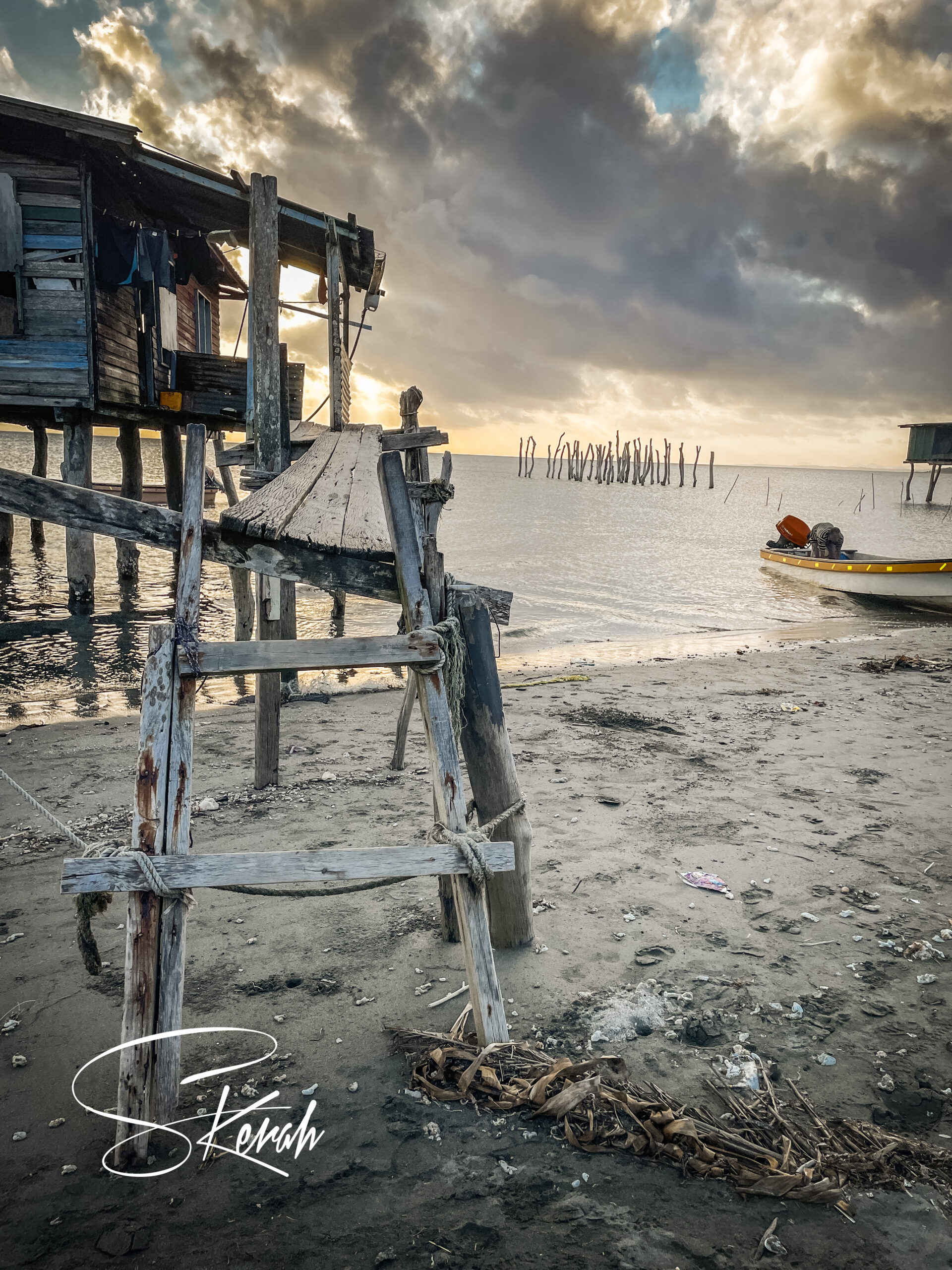
Dinghy and the sea by you.

Hula is located along the Papuan coast in the Central Province of Papua New Guinea. It is about three hours east of Port Moresby by road. The bride price ceremony was scheduled for midday Saturday 31 October 2009. Because we weren't staying overnight in Hula, our trip started off at 5 in the morning.

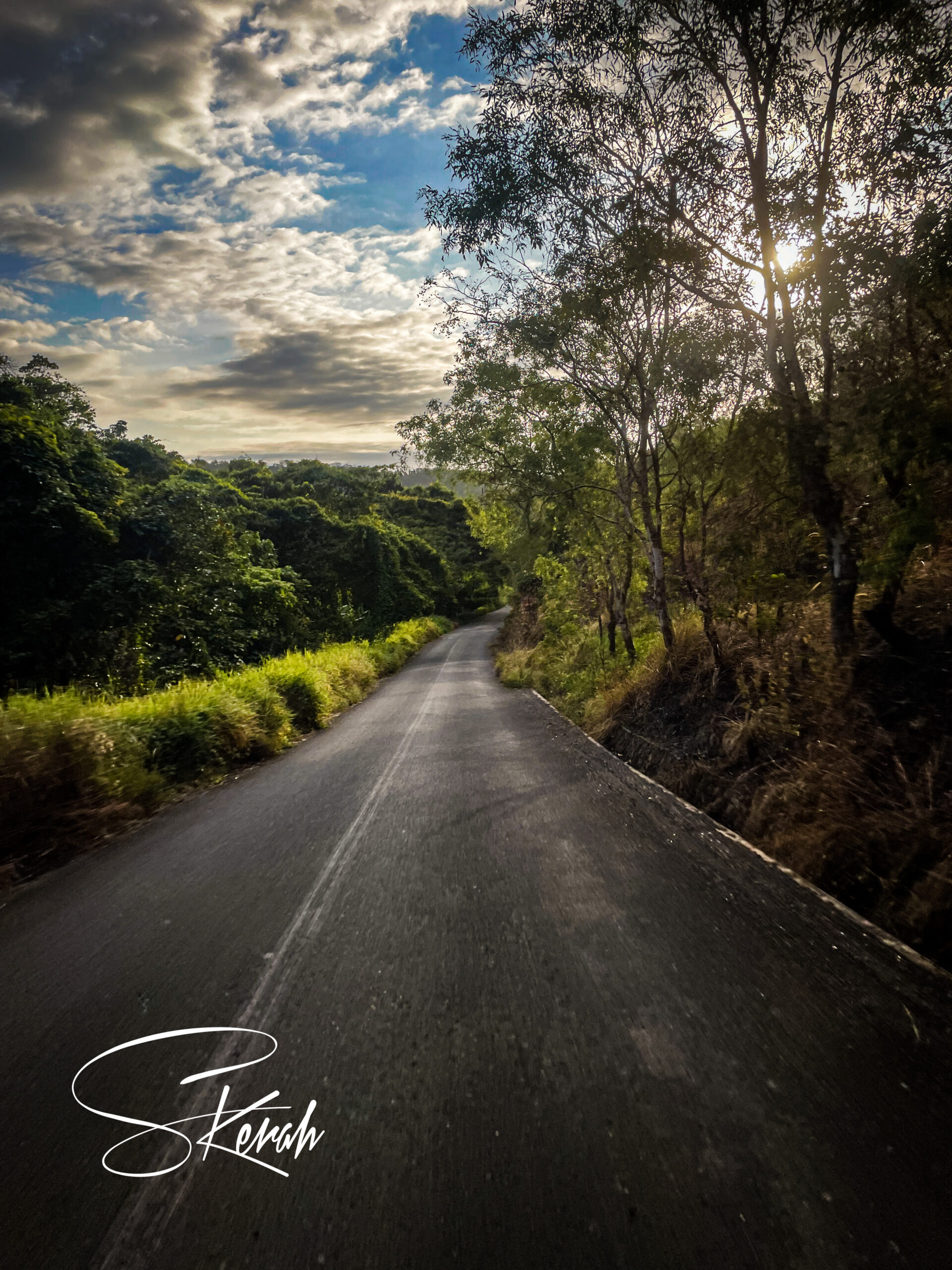
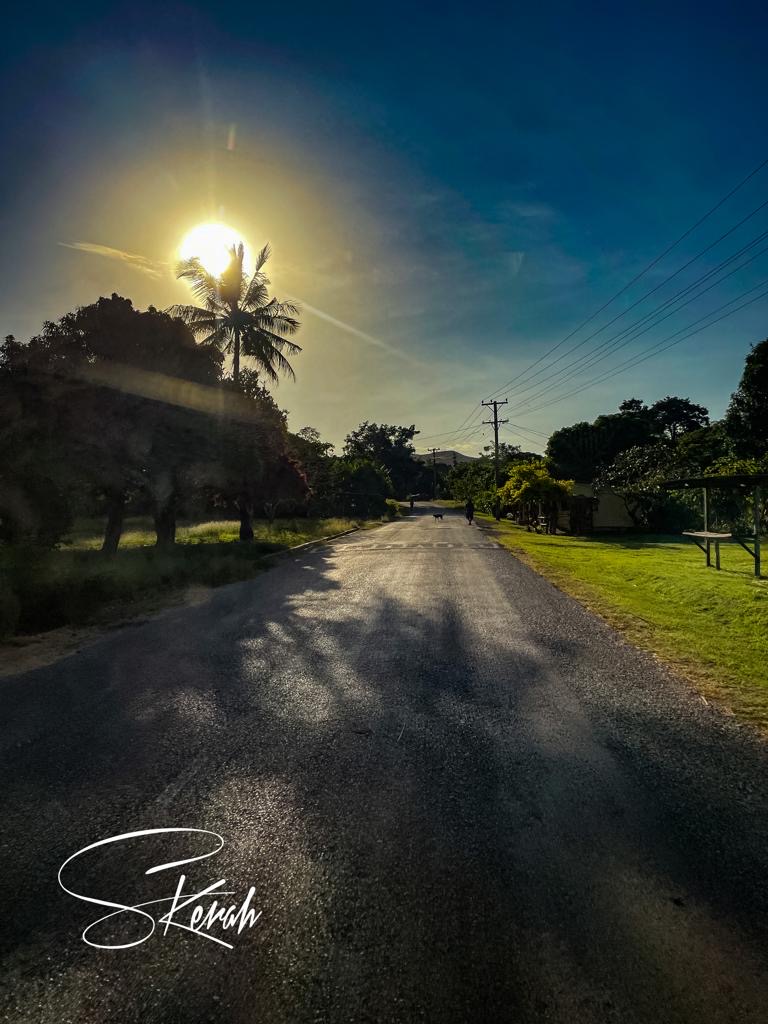
Magi Highway is the main road to Hula and while it is sealed certain sections of the highway has potholes making the ride a little bumpy. Nevertheless, the scenery along Magi Highway is pleasant for a first time traveller to this area and it will give you a glimpse of rural living in this part of the country.

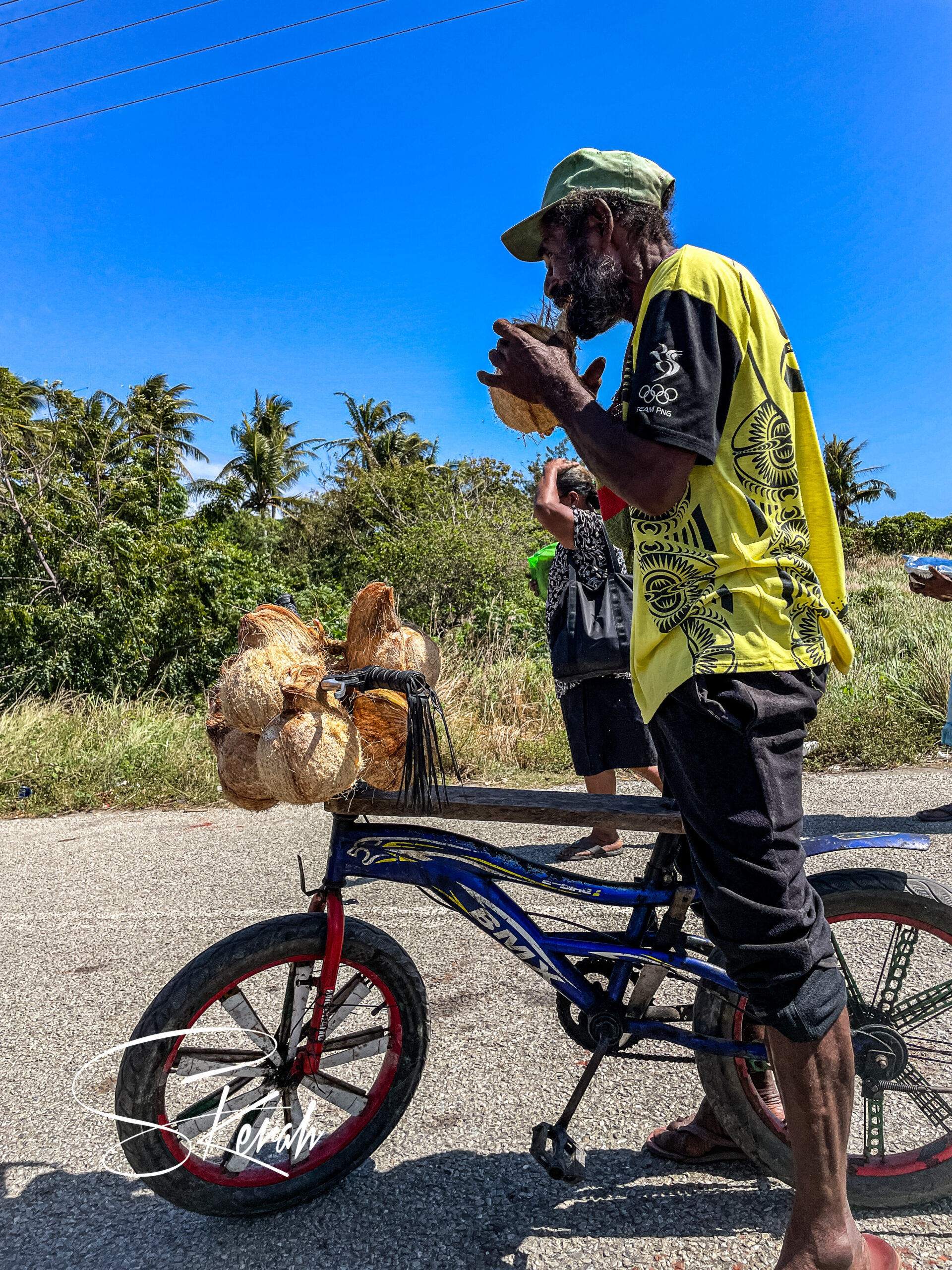
The surroundings is hilly and although it is normally the dry season during this time the place was greener then expected. The people who reside along the highway are subsistence farmers and this is evident with many vegetable gardens on the roadside or on the hills. Banana and pawpaw trees appear in an orderly manner while coconut trees grow everywhere.

As we drove along, we noticed a number of people standing on the roadside carrying bags filled with their garden produce hoping to catch a ride on the next bus to Port Moresby to sell their goods at the Port Moresby markets.

A more interesting site along the way was the number of stalls set up selling petrol and diesel fuel. Obviously, a business opportunity sprung up due to the many vehicles running out of fuel along the way.

To get to Hula, we went through several villages namely Kemabolo, Kamali and Taruba. We enjoyed going through these villages because people smiled and waved at us as we went past. Pigs roamed around freely in these villages which is something you won't normally see in the villages much closer to Port Moresby.

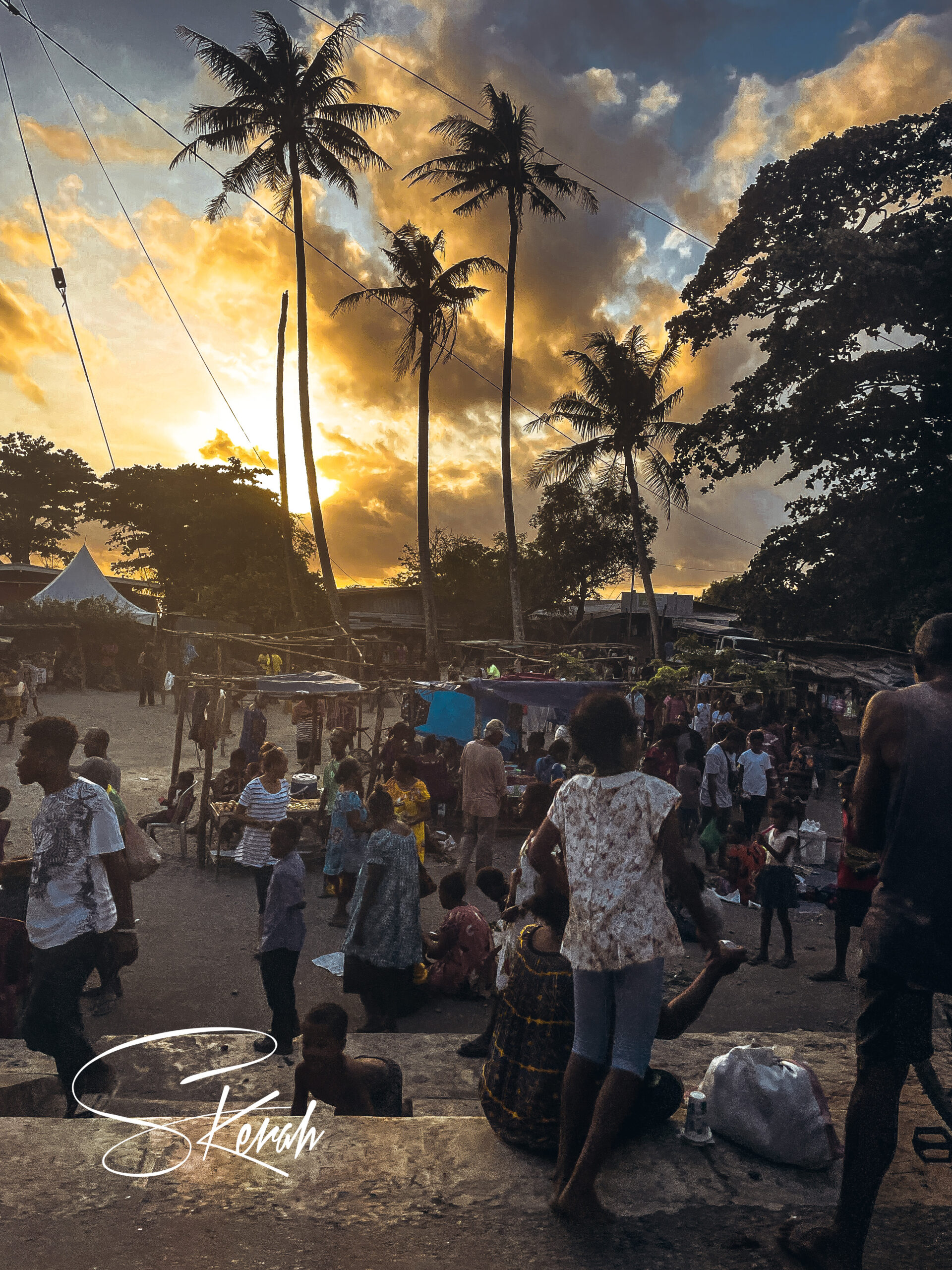
We arrived in Hula at about 8am and as you enter the village, the Hula market is the first sight you will see. People started entering the market and on enquiry we were informed that most were waiting for the local fishermen to arrive so that they could buy fresh fish from them.

Hula market by Skerah.com PNG.

The prices of fish in Hula are at ridiculously low prices compared to those sold at the Port Moresby markets. We even bought some for our host in Hula and some for ourselves to take back to Port Moresby.

The people easily noticed we were strangers and while some would stare at you others would smile and give a wave.

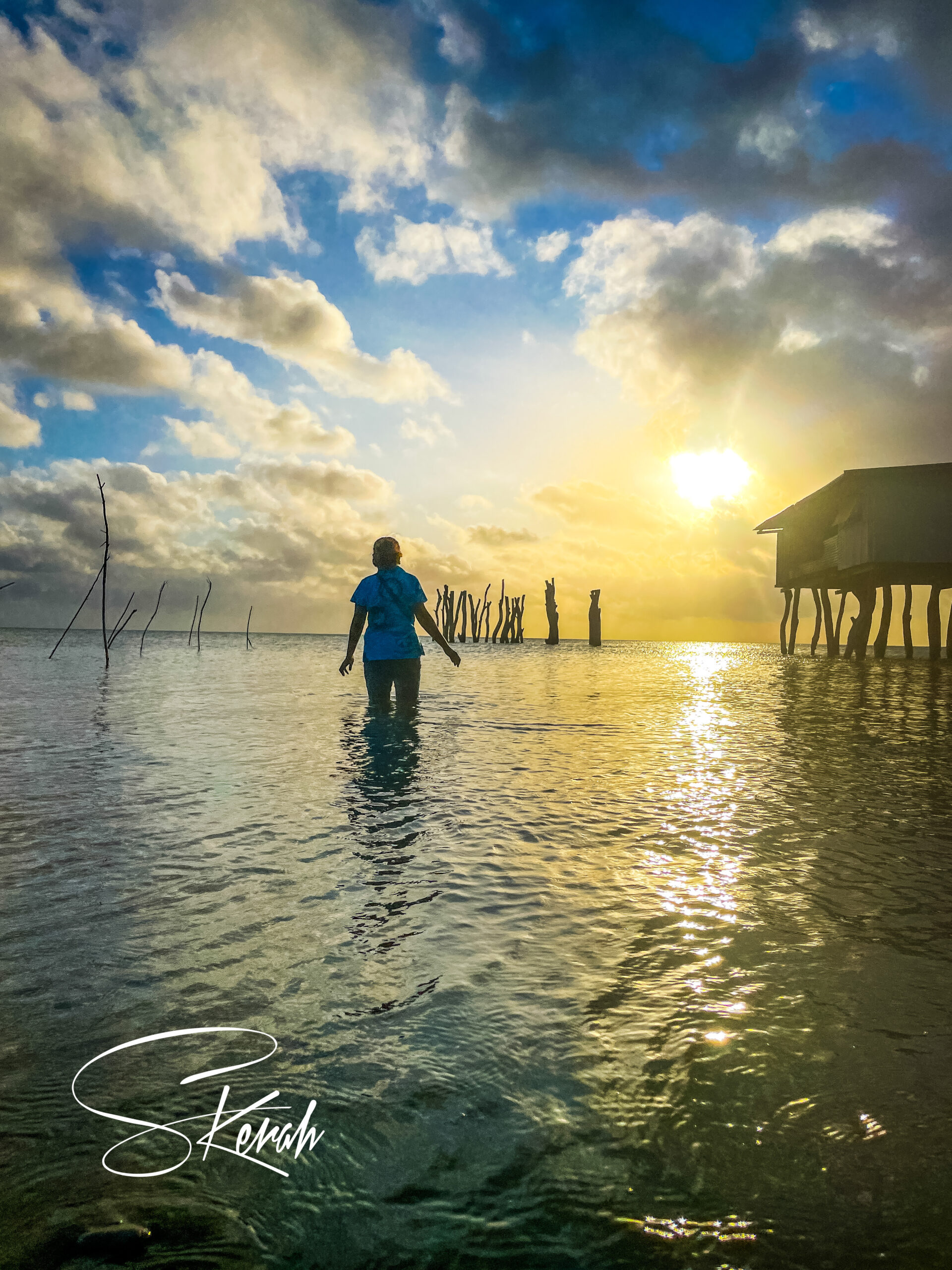
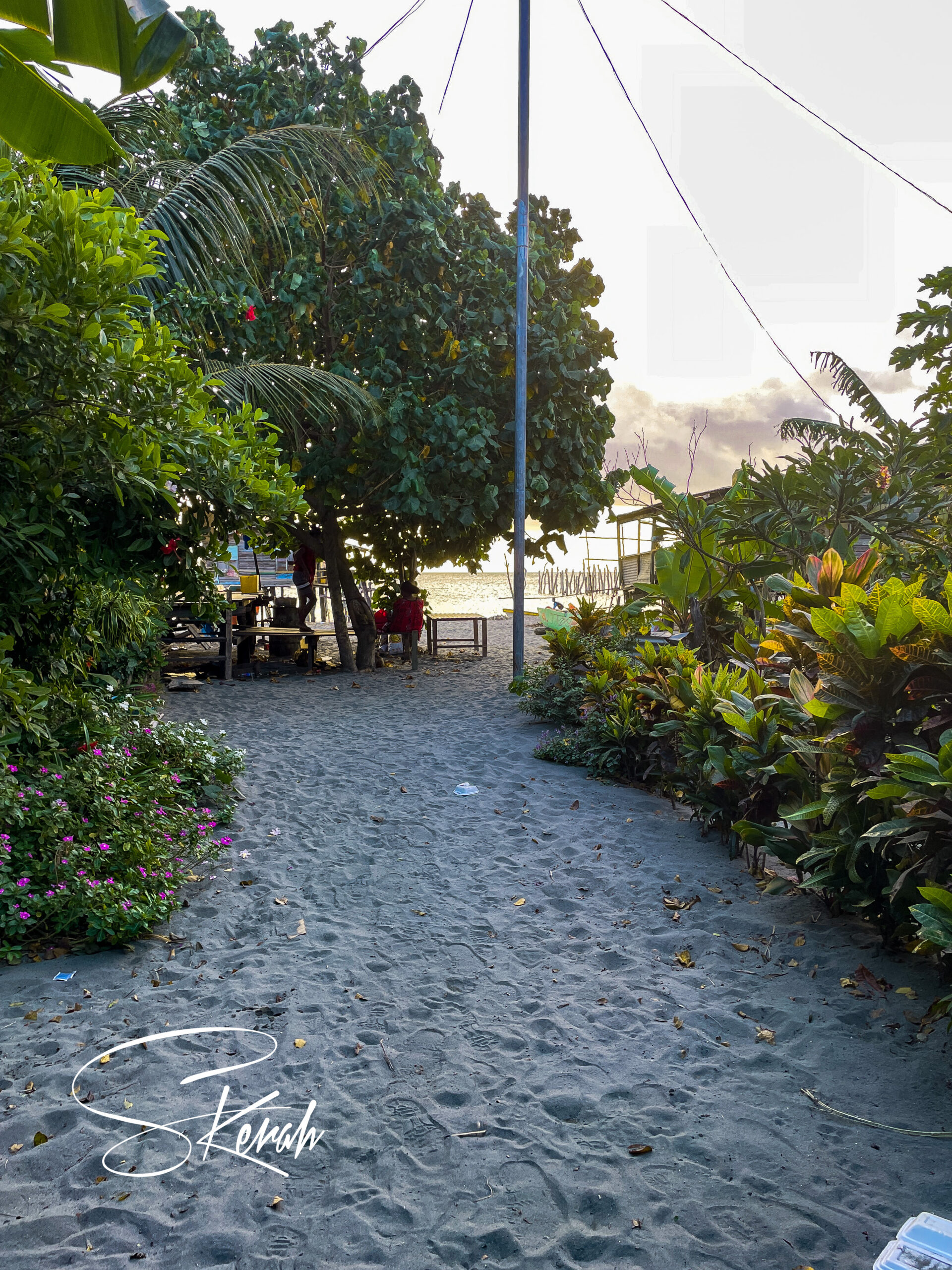
It is clearly evident that the people of Hula rely very much on the sea. A lot of the houses are either built over the sea or scattered around near the beach. Most of the houses we saw had very large window frames which we think is to allow the cool sea breeze to enter as it can get pretty hot and humid during the dry season.

The houses built over the sea is an interesting site to see. Because the people rely on the sea a lot, building there house close to the see makes it easier for them to fish. Also, it is a way of getting the cool sea breeze as the place is usually hot and humid.

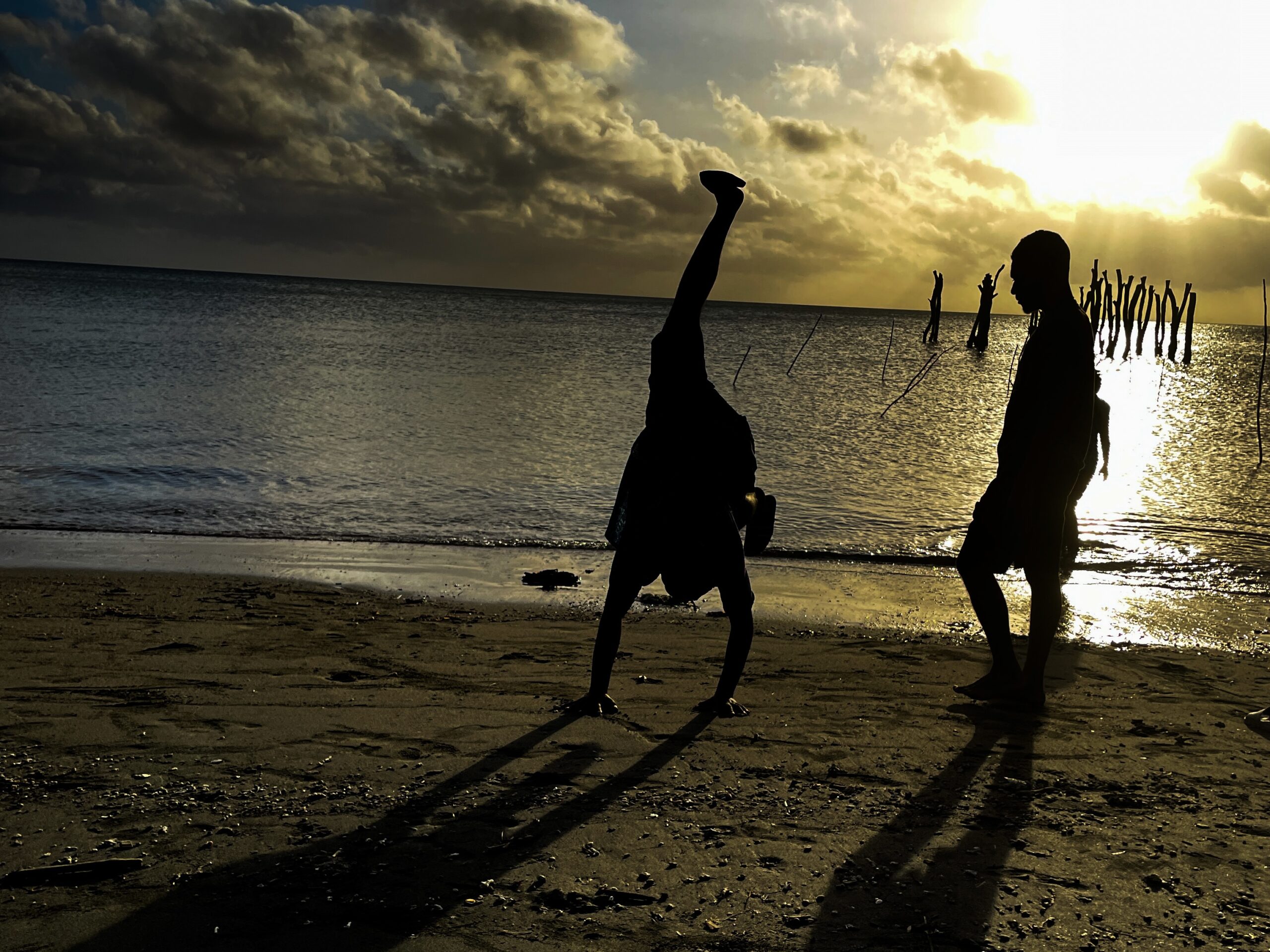
The kids love the sea and if they're not swimming in it they're playing on the beach. Hula kids like many kids in Papua New Guinea love having their photographs taken and we came across some kids playing on the beach and took several shots.

Girls on the beach by Skerah.com PNG.

Most of the kids were so excited to have their photos taken one kid climbed up a tree and requested that we take a photo of him.

While we were roaming around the village exploring this unique village, relatives were preparing for the bride price.

Briefly, the process of bride price involves the groom and his immediate and extended family paying the bride's family with cash, traditional food like bananas, taro, yams, sago, pigs and more recently goods like kitchen utensils have been included.

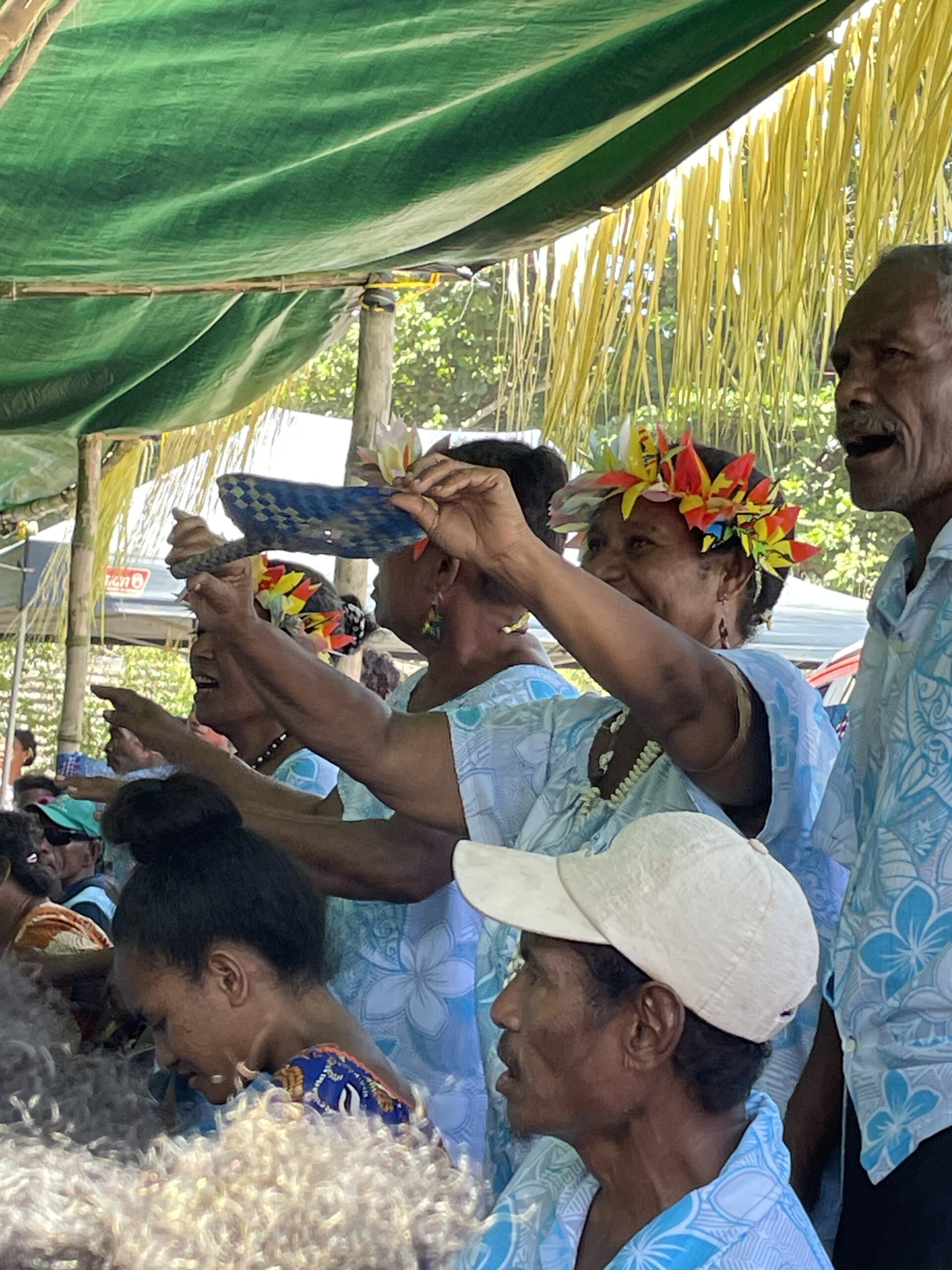
The bride is dressed in traditional regalia and accompanied with the groom's family walks from the groom's house to her parents house to deliver the bride price payment.

On the way by Skerah.com PNG.

Around midday the bride price ceremony started and the bride walked about 300 meters from the groom's house.

The village came to a halt as people witnessed the bride in full colour leading the way. Trucks loaded with pigs and other foodstuff also followed the procession.

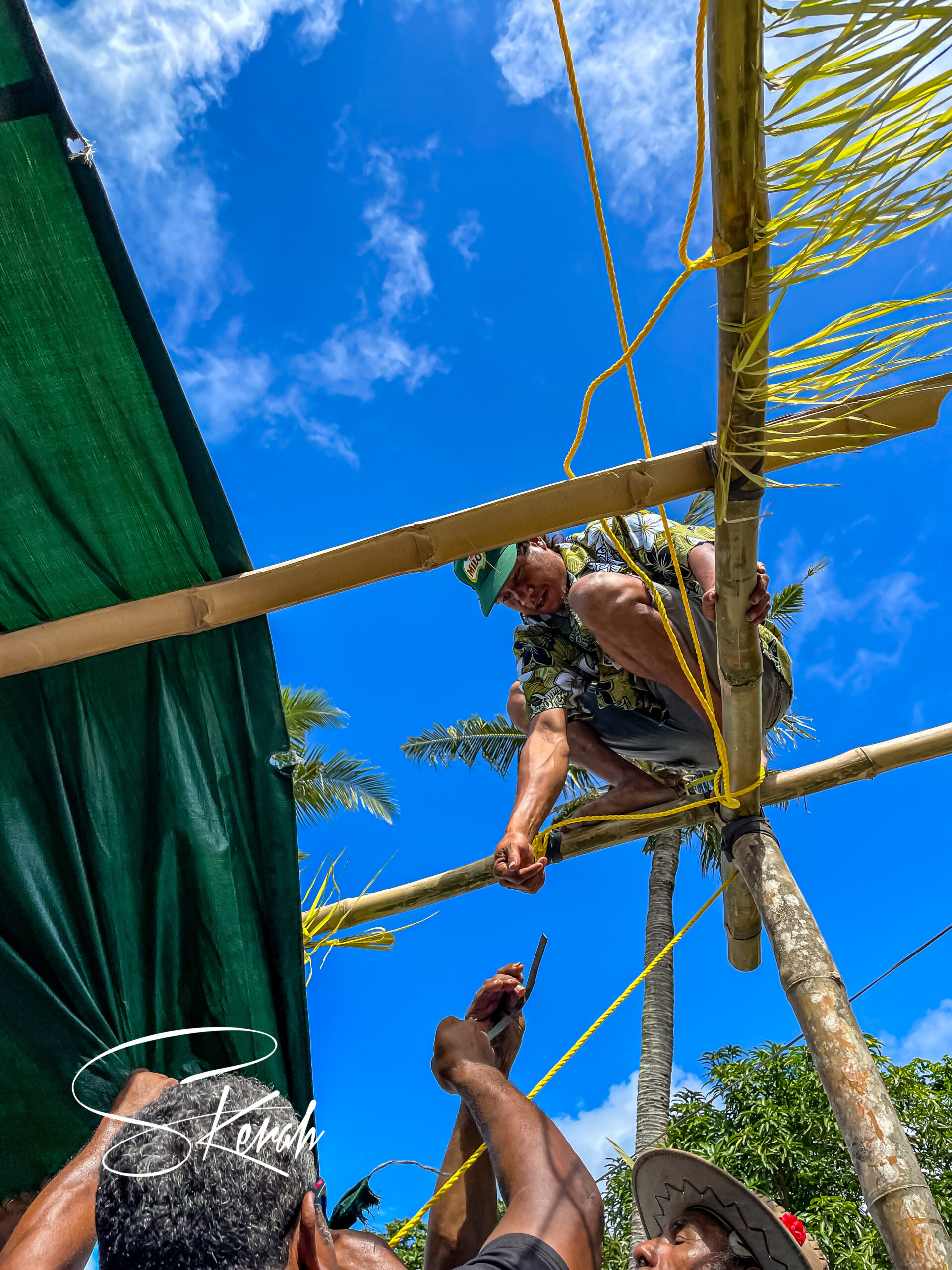
On arrival at the bride's parents house, we saw an imposing stand about 6 meters high filled with bananas, sago and other traditional food. Traditionally, building this towering stand shows one's gardening prowess and by erecting the stand outside the bride's parents house this illustrated that the groom's family not only showed their gardening prowess but also paying the bride price wholeheartedly.

Towering banana & sago stand by Skerah.com PNG.

Singing and dancing form part of the procession and villagers standing by with no connection to the bride price sing along as well just to be involved in the fun.

Once all the goods were handed over by the bride's family it was time to return to our host's house to pack up and leave.

We had a great time in Hula and the people of Hula are very friendly. The beach is a picturesque site to see and inland it is interesting to wonder through the gardens and see the different types of crops grown by the people of Hula.

If anyone is thinking of making a trip to Hula, we recommend it and if you want some help to get there you can contact us. Activities include visiting a stilt house, looking at the surroundings on a dinghy, going fishing with the locals, checking their gardens out to see what crops they grow and a whole lot more.

To view the picture story of our trip click the image below or click here.

If you would like to comment on this article, send us an email on admin@skerah.com.


Custom Search


2009 Copyright Skerah Agencies